
Electrophysiological Evaluation of Cardiac Ion Channels: Specializing in hERG, Nav1.5, and Cav1.2 Analysis via Manual Patch Clamp
【Related Article】 What Is the hERG Assay? — A Quick Tip from Safety Pharmacology
【Related Article】 First-Time hERG Best Practice Study — A Beginner’s Guide
Electrophysiological Evaluation of Cardiac Ion Channels:
Specializing in hERG, Nav1.5, and Cav1.2 Analysis
via Manual Patch Clamp
We offer comprehensive electrophysiological evaluation of critical
human cardiac ion channels, including hERG, Nav1.5, and Cav1.2,
utilizing the manual patch clamp method—the gold standard
in ion channel research.
Our services support every stage of drug discovery,
from early-phase screening to GLP-compliant safety studies.
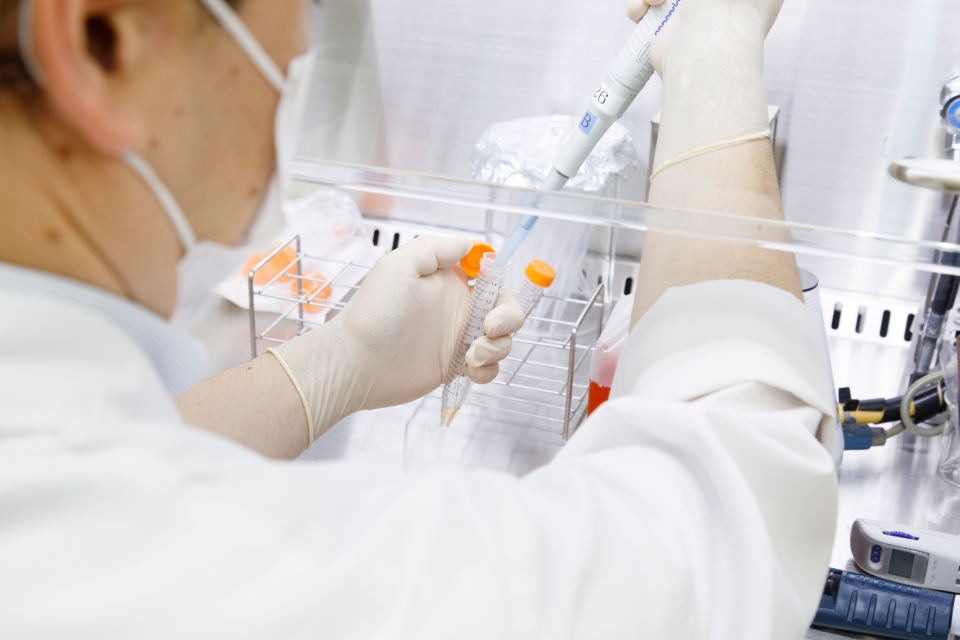
Unrivaled Technical Excellence & Experience
DSTC proudly stands as the first contract research organization (CRO) in Japan to conduct hERG channel current
evaluations. Our highly skilled and experienced team performs precise patch clamp methods, consistently delivering
high-quality, reliable data. With years of accumulated expertise, we meticulously design optimal experiments tailored to
each compound's unique physicochemical properties, such as solubility, stability, and adsorption.
This ensures we conduct evaluations under the most suitable conditions, maximizing the potential for accurate results.
Rapid Turnaround with Our Manual Patch Clamp Expertise
Timely data delivery is crucial, especially for screening studies.
Our expert team conducts testing quickly and efficiently,
enabling us to provide preliminary results within a short
timeframe, even for studies involving a relatively large number
of samples.
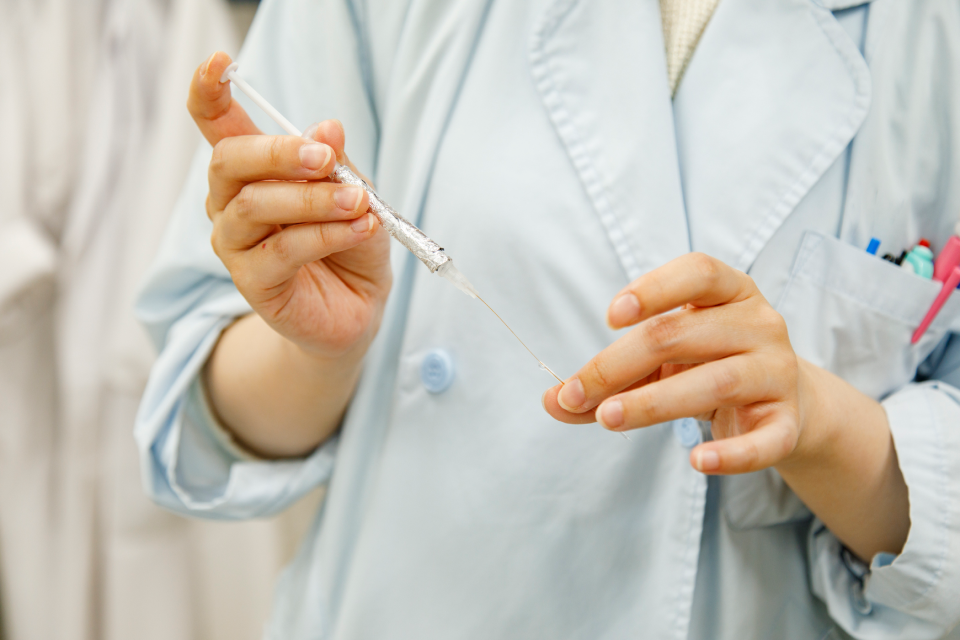
Japan's Foremost Track Record in Ion Channel Evaluation
DSTC boasts one of Japan's most established and extensive track records in ion channel evaluation.
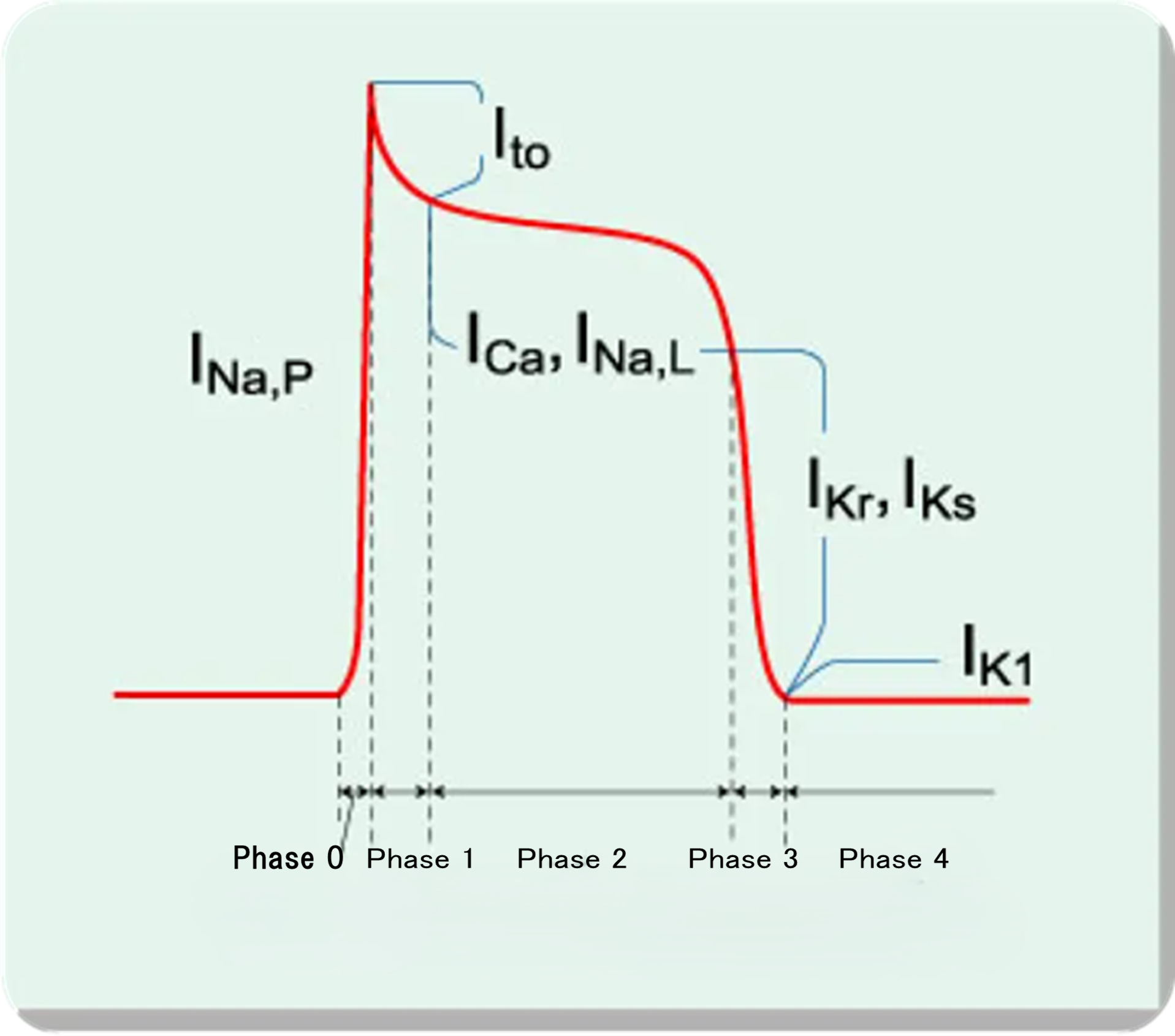
We offer manual patch clamp methods for all seven human cardiac ion channels involved in action potential generation.
By assessing multiple channels beyond hERG, we significantly enhance the accuracy of proarrhythmic risk prediction.
Our methods are also exceptionally well-suited for target screening and counter evaluations in ion channel drug discovery.
| Ion Channels | Current | Role in Action Potentials |
|---|---|---|
| hERG | IKr | Phase 3 (Repolarization) |
| NaV1.5 | INa,P (Peak current) | Phase 0 (Upstroke) |
| INa,L (Late current, induced by veratridine) |
Phase 2 (Plateau phase) |
|
| CaV1.2 | ICa | Phase 2 (Plateau maintenance) |
| KVLQT1/minK | IKs | Phase 3 (Repolarization) |
| KV4.3 | Ito | Phase 1 (Repolarization) |
| Kir2.1 | IK1 | Phase 4 (Resting membrane potential maintenance) |
| KV1.5 | IKur | ー |
About Us
- Trade Name
-
Drug Safety Testing Center Co., Ltd.
- Date of Establishment
-
August 26, 1976
- Capital
-
20,000,000 JPY
- Representative
-
Hirohito Takahashi, President and Representative Director
- Head Office
-
1-31-8 Takadanobaba, Shinjuku-ku, Tokyo 169-0075, Japan
- Labolatories
-
【Yoshimi Laboratories】
25-1, Kuroiwa, Yoshimi-machi, Hiki-gun, Saitama 355-0166, Japan【Higashimatsuyama Laboratories】
88-75, Shingo, Higashimatsuyama-shi, Saitama 355-0071, Japan - Number of Employees
-
70
-
Our Services
-
We specialize in providing contract research services encompassing a broad spectrum of toxicological and pharmacological studies, such as General Toxicity,
Special Toxicity, Safety Pharmacology, Drug Efficacy, and other related assessments.
【Related Article】 What Is the hERG Assay? — A Quick Tip from Safety Pharmacology
【Related Article】 First-Time hERG Best Practice Study — A Beginner’s Guide
Leaflet and Background Data新しいウィンドウでPDFファイルを開きます。
Academic Presentations新しいウィンドウでPDFファイルを開きます。


